

Layer by Layer: Mastering Ornament Placement for Depth and Visual Interest
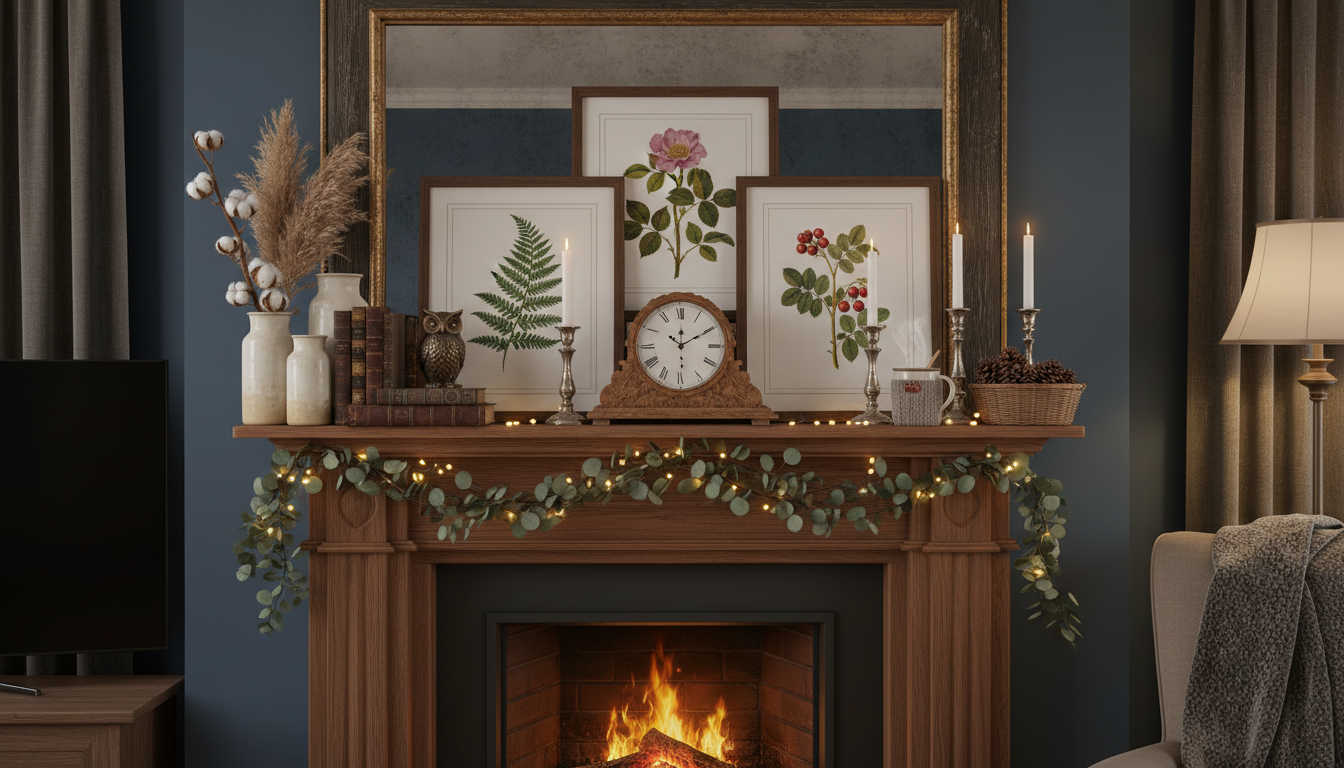
Transforming a house into a home often comes down to the details. While grand furniture and color palettes set the stage, it's the strategic placement of decorative ornaments that adds personality, depth, and a unique story to your space. This guide delves into the art of 'Layer by Layer: Mastering Ornament Placement,' moving beyond simply scattering objects to crafting intentional, visually rich displays. Discover how to combine different sizes, textures, and styles to create captivating vignettes that reflect your taste and elevate your interiors.
Why Intentional Ornament Layering Transforms Your Space
The difference between a flat, uninspired room and one that feels warm, inviting, and curated often lies in the art of layering. Layering ornaments isn't just about filling empty spots; it's about creating a narrative, adding visual texture, and drawing the eye to intentional focal points. When done correctly, layering prevents clutter, introduces dynamic flow, and allows each cherished piece to shine, contributing to an overall sense of balance and sophistication.
The Foundational Principles of Ornament Layering
Before you begin arranging, understanding these core principles will equip you with the knowledge to create stunning displays in any room.
1. Master Size and Scale: The Anchor First
Begin with your largest, most impactful pieces. These act as your 'anchors.' Think of a large piece of art on a mantel, a tall vase on a console, or a stack of coffee table books. Once your anchors are in place, build around them with medium-sized items, and finish with smaller, delicate pieces. This creates a natural visual hierarchy and prevents any single item from overwhelming the space or getting lost.
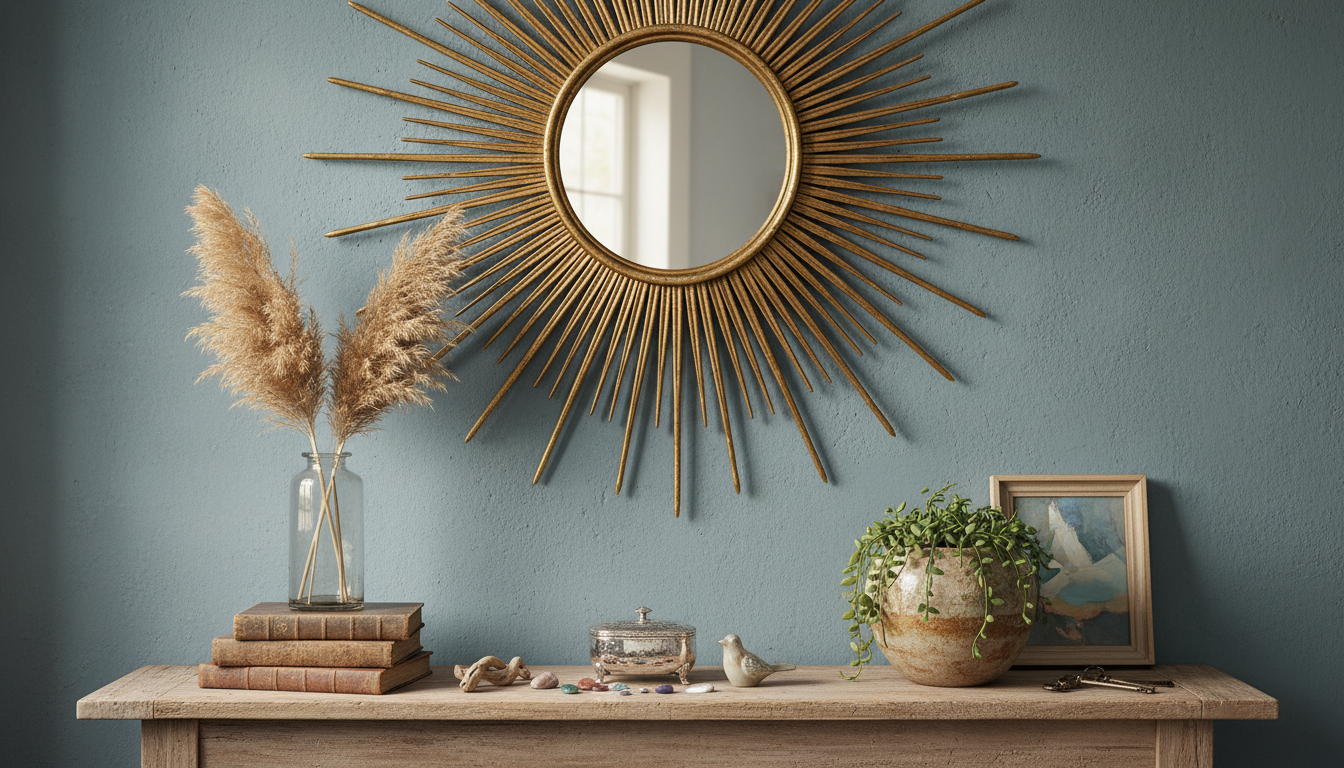
2. Play with Texture and Material Contrast
Mixing textures adds immense visual interest. Pair smooth ceramics with rough wood, shiny metals with matte stone, or soft textiles with hard glass. This tactile diversity makes a display feel richer and more engaging. Consider materials like woven baskets, polished brass, rustic pottery, and delicate porcelain to add depth.
3. Harmonize (or Contrast) Color and Pattern
While a cohesive color palette creates serenity, a pop of a contrasting color can add excitement. Decide if you want your layered display to blend seamlessly with the room's scheme or to serve as a vibrant focal point. Similarly, use patterns thoughtfully – a subtle geometric pattern can complement a solid color, or a bold floral can be softened by neutral companions.
4. Create Height and Depth Variation
Avoid placing all items at the same level. Use risers, decorative boxes, or stacks of books to introduce varying heights. This creates peaks and valleys, guiding the eye across the display. To add depth, allow some items to slightly overlap others, rather than lining everything up perfectly. This organic arrangement feels more natural and lived-in.
Practical Application: Layering Ornaments in Key Home Zones
These principles can be applied to almost any surface in your home. Here’s how to approach different areas:
Mantelpieces & Shelves: The Classic Display
Start with a central anchor – a large mirror, a piece of art, or a television. Flank it with taller objects like candlesticks or substantial vases. Then, fill in the mid-ground with smaller sculptures, framed photos, or potted plants. Finally, add tiny treasures or trailing greenery in the foreground. Don't be afraid to experiment to Home Decor Ideas in your own home.
Coffee Tables & Console Tables: Functional Flair
These surfaces often benefit from a 'tray' approach. Use a decorative tray to corral several smaller items – a stack of beautiful books, a scented candle, and a small decorative object. This creates a cohesive grouping within the larger space. Add a plant or a taller element nearby to provide height variation. Remember to leave enough clear space for actual use.
Bookcases & Built-ins: Mixing Function and Form
Instead of just books, integrate decorative objects. Group books both horizontally and vertically. Leave some shelves with negative space, and on others, create small vignettes with a mix of books, vases, small sculptures, or framed photos. Step back often to assess the balance and flow. Need to tweak something? You can Magic Editor with ease.
Tabletops & Vignettes: Creating Mini-Scenes
A vignette is a small, intentional display that tells a story. Choose a few items that relate to each other in some way – perhaps by theme, color, or history. Arrange them in an appealing cluster, often in odd numbers. A small side table, a dresser top, or even a window sill can become a perfect stage for a charming vignette.
Overcoming Common Layering Challenges
Avoiding Clutter: Less Can Be More
The fine line between layered and cluttered is often about editing. If a display feels busy or overwhelming, remove one or two items. Give your pieces breathing room. The goal is visual richness, not visual noise. Sometimes, a well-placed single statement piece is more effective than many small items.
Ensuring Balance: Symmetrical vs. Asymmetrical
Decide if you want a formal, symmetrical balance or a more relaxed, asymmetrical look. Symmetrical arrangements are often easier to achieve, but asymmetrical ones can feel more dynamic and natural. Focus on visual weight – a large, dark object on one side might be balanced by several smaller, lighter objects on the other.
Personalizing Your Layers: Tell Your Story
Ultimately, your home should reflect you. Incorporate items that hold sentimental value, souvenirs from travels, or handmade pieces. These personal touches are what truly make a layered display unique and meaningful. If you're starting from scratch, don't worry – you can even Virtual Staging to kickstart your creative process.
Transform Your Space with Intentional Layering
Mastering ornament placement is an accessible yet powerful way to elevate your home's aesthetic. By understanding the principles of size, texture, color, height, and depth, you can move from merely decorating to truly designing. Experiment, trust your instincts, and don't be afraid to rearrange. With tools like Ideal House, visualizing your creative arrangements has never been easier, helping you curate stunning, layered displays that bring depth, interest, and personality to every corner of your home.